Source Hydroponic Air Stone for Pond, Pool, and Irrigation
Find 30 hydroponic air stone options for pond, pool, and irrigation systems. Compare features like eco-friendly design, long service life, and durable construction from Chinese manufacturers offering customization and OEM services; compare the available evidence and request quotations based on your requirements.
Key considerations
Products List


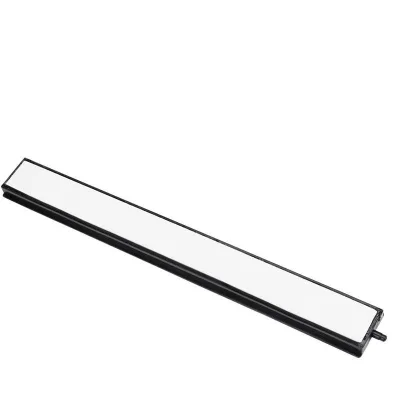


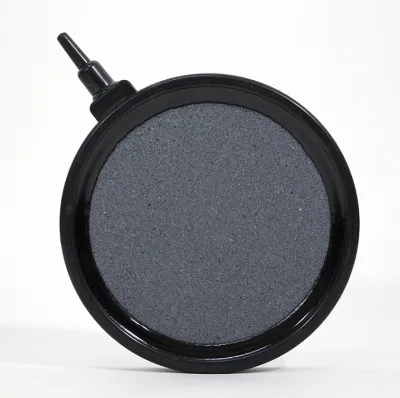
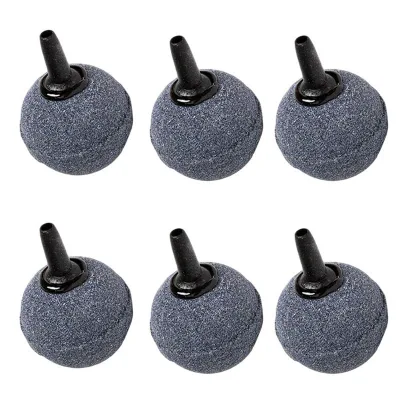

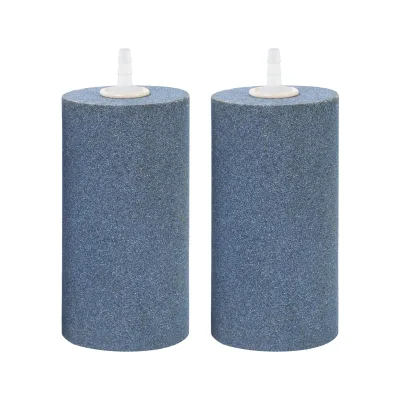
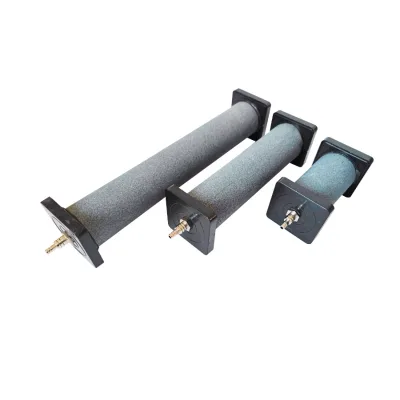
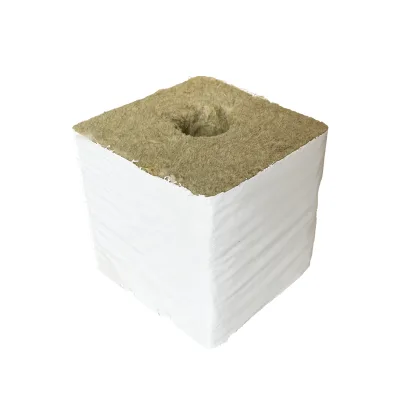
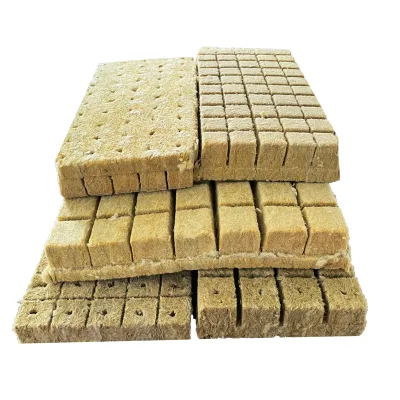
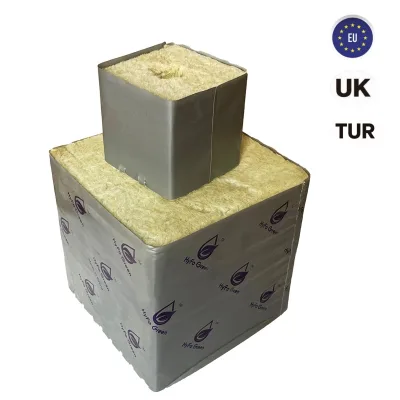


Comprehensive Sourcing Guide
Hydroponic Air Stone Sourcing Guide
Procuring hydroponic air stones requires distinguishing between general aeration components and specialized systems designed for vertical farming towers. The available market data indicates a diverse range of products, including vertical towers without LED and automated water circulation systems specifically engineered for greenhouse hydroponics. Buyers must recognize that while some listings focus on general aquarium aeration, the core keyword often intersects with broader irrigation types like aeroponic and aquaponic setups. Understanding this distinction is critical before initiating contact with suppliers, as the application scope dictates the necessary technical specifications and material compatibility.
The sourcing landscape reveals that customization is a primary feature, with many suppliers accepting OEM requests and offering tailored solutions for specific venue planning. Products are frequently described as eco-friendly and durable, with a focus on long service life to support continuous vegetable and seedling cultivation. However, the observed product range includes varied models such as ZL-03 and SF-100, suggesting that a single "air stone" may be part of a larger assembly or a distinct component within a complex system. Buyers should verify whether the listed item is a standalone stone or an integrated part of a vertical tower system to ensure it meets the specific operational needs of their facility.
Product Scope and Observed Listing Signals
The observed product listings highlight a significant variation in application, ranging from pond and pool filtration to specialized greenhouse hydroponics systems. While some items are explicitly categorized as air pumps and accessories, others are defined as vertical towers designed for growing leafy vegetables and lettuce. This divergence suggests that the term "hydroponic air stone" may refer to either a simple aeration device or a component within a larger automated water circulation system. Buyers must carefully review the product type and application fields to ensure the item aligns with their specific farming method, whether it involves drip irrigation, aquaponics, or aeroponic vertical farming.
Listing signals also indicate that materials vary significantly, with options including food-grade PVC and white alundum, alongside polypropylene covers. The presence of "as show" color attributes and customizable packing suggests that visual and logistical specifications are flexible, but material integrity is paramount for food safety. Some products feature polished surfaces and flat edge processing, which may be relevant for specific installation environments or aesthetic requirements in indoor and outdoor greenhouses. Procurement teams should prioritize listings that explicitly confirm food-grade materials and compatibility with the intended irrigation type to avoid contamination risks in edible crop production.
Technical Specifications to Verify
Technical verification must begin with the core components and system architecture, as the data indicates a reliance on pumps and automated circulation technologies. Buyers should confirm that the product includes the necessary pump mechanisms or interfaces for integration into existing vertical tower systems. The specifications list various thickness ranges, such as 1.2-2.2cm, and standard dimensions like 402008mm or 35/50/80/100/150/200mm. These measurements are critical for ensuring the component fits within the structural constraints of the greenhouse or hydroponic unit, particularly for single-span shaped roof structures.
Further verification is required regarding the surface finish and edge processing, which are listed as polished and flat respectively. These attributes influence the durability and resistance to clogging in high-flow irrigation environments. Buyers must also check the product model numbers, such as ZL-02, ZL-03, and SF-100, to ensure they correspond to the specific functional requirements of their setup. The presence of multiple size standards, including multiples of sizes and specific millimeter ranges, necessitates a precise match between the ordered component and the existing infrastructure to maintain optimal water flow and oxygenation levels.
Compliance and Safety Documentation
Safety compliance is paramount when sourcing components for edible crop production, particularly given the application of these systems in vegetable and seedling cultivation. Buyers should request documentation confirming that all materials, such as food-grade PVC and white alundum, meet relevant food safety standards. The absence of specific certification names in the provided data means that procurement teams must explicitly ask for proof of compliance with local and international food safety regulations. This verification ensures that the hydroponic system does not introduce harmful substances into the water supply or the growing medium.
Additionally, the availability of machinery test reports is a key indicator of product reliability and safety. The data notes that test reports are provided for certain models, which serves as a critical validation of the product's performance under operational conditions. Buyers should ensure that these reports cover the specific stress tests relevant to hydroponic environments, including pressure testing and material durability assessments. Without these documents, the risk of equipment failure or contamination increases, potentially jeopardizing the entire crop yield and the safety of the final produce.
Cost Drivers and Commercial Terms
Cost structures in this sector are heavily influenced by the level of customization and the complexity of the system integration. The data confirms that customization is available and OEM services are accepted, which typically introduces variable pricing based on specific design requirements. Buyers should anticipate that tailored solutions, such as specific dimensions or unique surface finishes, will command higher prices than standard off-the-shelf items. The observed price range of 0.06 to 750 USD reflects this variability, indicating that simple components are significantly cheaper than fully integrated vertical tower systems with automated features.
Commercial terms also vary based on the minimum order quantity (MOQ) and packaging requirements. The observed MOQ range spans from 1 to 3000 units, offering flexibility for small-scale pilots but potentially requiring bulk commitments for large commercial deployments. Packaging is listed as customizable or standard cartons, which can impact shipping costs and logistics planning. Buyers must negotiate clear terms regarding lead times and shipping, as the origin is China and the products may involve complex assembly or specialized handling. Understanding these commercial variables is essential for accurate budgeting and supply chain planning.
Supplier Qualification and Quality Control
Supplier qualification should focus on their ability to deliver consistent quality and adhere to the specified technical standards. The data indicates that products originate from China and feature advantages such as long service life and durability, which are strong indicators of supplier capability. However, buyers must verify the supplier's track record in producing hydroponic components, specifically their experience with food-grade materials and automated water circulation systems. Requesting references from other greenhouse or aquaculture clients can provide insight into the supplier's reliability and the actual performance of their products in real-world settings.
Quality control processes must be rigorously evaluated, particularly regarding the surface finish and edge processing. The listed attributes of polished surfaces and flat edges suggest a focus on precision manufacturing, but buyers should confirm the inspection protocols used to maintain these standards. The provision of machinery test reports is a positive sign, but it should be complemented by on-site audits or third-party quality inspections. Ensuring that the supplier maintains strict control over material sourcing and production processes is vital to prevent defects that could compromise the efficiency of the hydroponic system.
Long-Term Procurement Checks
Long-term procurement success depends on the warranty coverage and the availability of after-sales support for the hydroponic systems. The data specifies a warranty period of 3-5 years, which is a significant factor in the total cost of ownership and risk management. Buyers should clarify the terms of this warranty, including what constitutes a defect and the process for claiming repairs or replacements. A robust warranty indicates the supplier's confidence in the product's durability and their commitment to supporting the buyer's operations over the long term.
Finally, buyers must assess the supplier's capacity for future scalability and product evolution. As hydroponic technology advances, the ability to upgrade systems or integrate new features like LED lighting or advanced automation will be crucial. The current listings show a focus on vertical towers and automated circulation, but the market may shift towards more integrated smart farming solutions. Establishing a partnership with a supplier who can adapt to these changes ensures that the procurement strategy remains viable and competitive in the evolving landscape of greenhouse hydroponics.
FAQs
What customization options are available for hydroponic air stones?
Customization is available for these products, allowing buyers to request specific shapes or sizes. The standard offerings include square aquarium shapes and various sizes ranging from mini to large. Buyers can also request customized packaging and specific surface finishes like polished edges to meet unique operational needs.
Which materials are used to manufacture these hydroponic air stones?
Manufacturers use durable materials such as white alundum and food grade PVC for construction. These materials ensure the products are eco-friendly and suitable for applications like ponds, pools, and greenhouses. The selection of high-quality materials contributes to the long service life and durability observed in the product specifications.
Can buyers request OEM services for these hydroponic air stones?
Yes, OEM services are accepted and customized options are available for buyers. Suppliers can accommodate specific branding or design requirements while maintaining the core functionality of the air pumps and accessories. This flexibility allows businesses to integrate these components into their existing hydroponic systems seamlessly.
How long is the warranty period for these hydroponic air stones?
The warranty period typically ranges from three to five years for these products. This coverage ensures reliability for applications in greenhouses and aquaculture systems. Buyers should verify specific terms with the supplier, as the warranty supports the long service life and durable nature of the equipment.
What are the standard dimensions for these hydroponic air stones?
Standard dimensions vary, with thickness options ranging from 1.2 to 2.2 centimeters. Specific product standards include sizes like 40 by 200 by 8 millimeters or various millimeter increments up to 200 millimeters. These dimensions support different applications including vertical tower planting and general water circulation systems.
Where are these hydroponic air stones manufactured and shipped from?
These products originate from China and are available for both indoor and outdoor use. The manufacturing location ensures access to a wide range of specifications and customization options. Buyers can expect products to be packed in cartons or customizable packaging for safe transport to global destinations.
What features make these hydroponic air stones suitable for irrigation?
These air stones feature automated water circulation systems and are designed for aeroponic, aquaponic, and drip irrigation types. They are suitable for growing leafy vegetables and lettuce in greenhouse environments. The key selling points include easy operation and the ability to plan venues effectively for various agricultural needs.